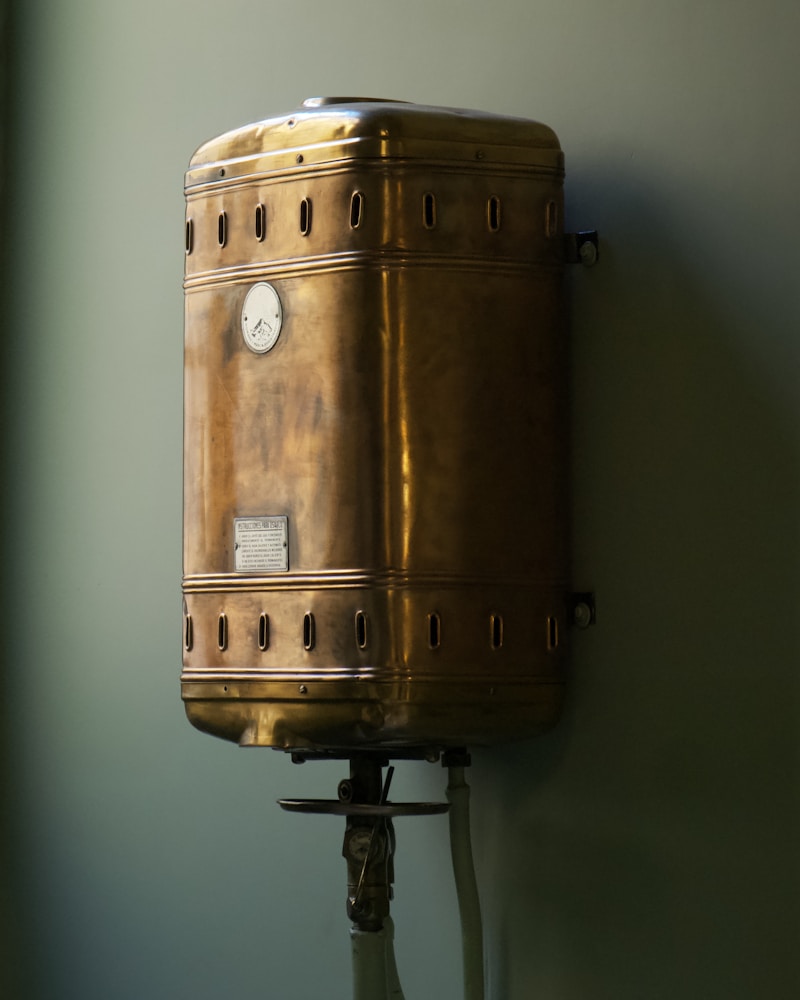
Your water heater works silently in the background until something goes wrong. The good news? Most units give warning signs before they fail completely. Spotting them early lets you plan a replacement on your schedule — rather than dealing with cold showers and water damage during an emergency. As West Texas's trusted plumbers, here are the signs Odessa, Midland, and Big Spring homeowners should watch for.
Sign #1: Your Water Heater Is Over 10 Years Old
Age is the most reliable predictor of failure. Tanks last 10–15 years (8–12 in our hard water); tankless units last 20–25. Find the age in the serial number on the manufacturer's label — most encode the date (e.g., "D19" or "0419" = April 2019). If yours is near or past its lifespan, start planning even if it still works. Proactive replacement avoids emergencies and lets you choose the timing, contractor, and equipment.
Sign #2: Rusty or Discolored Hot Water
Brown, orange, or rusty hot water usually means the tank is corroding from the inside. Diagnostic step: run only cold water from the same faucet. If cold runs clear but hot is rusty, the heater is the source; if both are rusty, the issue may be corroding galvanized pipes. Caught early, replacing the anode rod may help — but once the tank itself is corroding, replacement is the only fix. Our hard water speeds anode-rod depletion, so we recommend inspection every 2–3 years.
Sign #3: Water Pooling Around the Base (Leaks)
This is often an emergency. Repairable leaks come from loose fittings, a faulty T&P relief valve, or the drain valve. Non-repairable leaks come from tank corrosion and cracks — these can't be welded or sealed and only worsen, potentially dumping 40–80 gallons into your home. If you find a tank leak:
- Turn off power (breaker for electric, gas valve for gas).
- Turn off the cold water supply valve above the heater.
- If safe, connect a hose to the drain valve and drain the tank.
- Call a plumber for emergency replacement.
Sign #4: Strange Noises (Rumbling, Popping, Banging)
Water heaters should run quietly. Rumbling or popping means sediment has built up and the burner is essentially boiling through it — common in our hard water. Banging can indicate water hammer. Sizzling/hissing may be a leak on hot components. High-pitched whining can mean scale on electric elements. Early sediment can sometimes be resolved with professional flushing; hardened buildup usually means replacement.
Sign #5: Inconsistent or Inadequate Hot Water
Running out faster, lukewarm water, temperature swings, or longer recovery all signal trouble. Possible causes include a failing thermostat, burnt-out heating element ($150–$300 to replace), sediment insulating the water from the heat source, an undersized unit, or a broken dip tube. Decision guide: if repairs exceed 50% of replacement cost, or the unit is 8+ years old with performance issues, replacement usually makes more sense.
Sign #6: Frequent Repairs
One repair isn't a death sentence — but multiple repairs per year, or several within 2–3 years, means general deterioration. Track your history (thermostat, element, anode rod, T&P valve, gas valve/thermocouple, pilot light). The 50% rule: if a single repair, or cumulative repairs over two years, exceed 50% of replacement cost, replace instead.
Sign #7: Visible Corrosion or Rust
External rust on the tank body, around fittings, or on the burner/combustion chamber (gas) signals age-related deterioration and possible safety issues. While external rust doesn't always mean internal failure, it warrants inspection — and rusty hot water definitively indicates replacement.
Emergency Red Flags: Act Immediately
- Active tank leak with pooling water — shut off power and water, then call for emergency service.
- Gas smell near the heater — leave, don't operate switches or flames, call the gas company and a plumber.
- Bulging or deformed tank — dangerous pressure buildup; shut off and call immediately.
- Continuous loud banging — possible overheating.
- No hot water in winter — risk of frozen pipes; treat as urgent.
We offer 24/7 emergency service throughout Odessa, Midland, Big Spring, and West Texas.
Repair vs. Replace Decision Guide
| Situation | Recommendation |
|---|---|
| Under 8 years, minor repair | Repair |
| 8–10 years, repair under 50% of replacement | Repair (plan to replace soon) |
| Over 10 years with any significant issue | Replace |
| Tank leak (from the tank) | Replace (immediately) |
| Rusty hot water from corroding tank | Replace |
| Multiple repairs in past 2 years | Replace |
| Repair cost over 50% of replacement | Replace |
How to Extend Your Water Heater's Lifespan
Annual professional maintenance — tank flushing, anode-rod inspection, T&P valve testing, and a safety check — pays for itself. Between visits, check for leaks monthly, listen for noises, and test the T&P valve every six months. In the Permian Basin, a water softener can add 3–5 years of life by reducing hard-water wear.
Get an Honest Assessment
Not sure whether to repair or replace? We give straightforward evaluations with no pressure. Sometimes a $200 repair buys years; other times that money is better invested in a new, efficient unit — and we'll tell you which applies. Contact Basin Plumbing or see our water heater replacement cost guide.