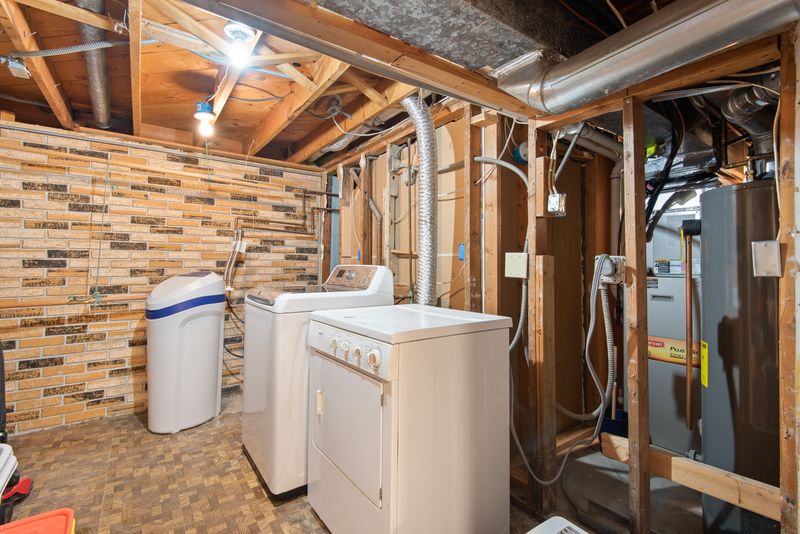
Replacing a water heater is a significant household expense that nearly every homeowner faces eventually. Understanding what drives the cost helps you budget, compare quotes, and choose the right unit for your home. Below we break down water heater replacement costs by type, the factors that move the price up or down, installation costs, the extra expenses people forget, and practical ways to save — with straight talk for Odessa, Midland, and the wider Permian Basin.
Types of Water Heaters and Their Costs
The single biggest factor in your replacement cost is the type of heater you choose. Each comes with its own upfront price, installation requirements, and long-term operating cost.
| Water Heater Type | Unit Only | Installed Cost | Lifespan |
|---|---|---|---|
| Traditional tank | $300 – $1,500 | $1,200 – $2,500 | 10–15 yrs |
| Tankless (on-demand) | $500 – $3,000 | $2,500 – $4,500 | 20+ yrs |
| Heat pump / hybrid | $1,200 – $2,500 | $2,000 – $3,500 | 13–15 yrs |
| Solar | $1,000 – $5,000 | $2,000 – $7,000 | 20+ yrs |
Traditional Tank Water Heaters
Tank water heaters are the most common and the most affordable upfront. They store and continuously heat 20–80 gallons of water. Higher-efficiency (Energy Star) models cost more initially but trim your utility bills, and larger tanks (50+ gallons) cost more than smaller ones. For most Permian Basin homes, a quality gas tank is the practical pick.
Tankless Water Heaters
Tankless (on-demand) units heat water as it flows, with no storage tank. They cost more upfront but are roughly 24%–34% more efficient for homes using under 41 gallons a day, last about twice as long, and free up floor space. In our hard-water region they usually need a water softener to protect the warranty.
Solar Water Heaters
Solar systems use roof-mounted collectors to heat water and are the most eco-friendly option. They carry the highest upfront cost but can cut water-heating bills by 50%–80% in sunny West Texas, and may qualify for tax credits and rebates that offset the install.
Factors Influencing the Cost of Replacement
It's not just the sticker price of the unit. Size, efficiency, brand, and your home's existing setup all shape the final number.
Size and Capacity
Capacity is a primary price driver, especially for tanks. Residential units run from about 20 to 80 gallons. Bigger families need bigger tanks, which cost more and sometimes require extra space for installation. As a rough guide: 1–2 people need 30–40 gallons, 3–4 people need 40–50 gallons, and 5+ people need 50–80 gallons.
Energy Efficiency
Efficiency affects long-term cost more than any other factor. High Energy Star–rated models cost more upfront but use less energy to heat water, lowering monthly bills over the unit's life. They're also the greener choice, reducing your carbon footprint.
Brand and Quality
Established brands (Rheem, A.O. Smith, Bradford White for tanks; Rinnai and Navien for tankless) price higher because they invest in better materials, technology, and warranties. A cheaper unit can cost more over time through higher energy bills and earlier replacement.
Installation Costs
Installation varies widely depending on whether you hire a pro and whether your home needs upgrades.
Professional Installation vs. DIY
Professional installation typically runs $300–$1,500 depending on complexity, and includes expert handling of gas, electrical, and plumbing connections, code compliance, and a labor warranty. DIY can save labor costs but carries real risk — water heaters (especially gas) involve intricate plumbing and gas work where mistakes lead to leaks, water damage, or gas hazards. DIY can also void the manufacturer's warranty and affect insurance.
Necessary Upgrades or Modifications
- Plumbing changes: a different size or type of unit may need altered water lines and new shut-off valves.
- Electrical upgrades: switching to electric or a higher-draw unit can require new circuits or a panel upgrade.
- Ventilation: gas units need proper venting to prevent carbon monoxide buildup; a larger or new gas unit may require vent modifications.
Potential Additional Expenses
Two commonly overlooked costs are permits/inspections and old-unit removal.
Permits and Inspections
Most areas — including Odessa and Midland — require a permit ($50 to a few hundred dollars) and a post-installation inspection to confirm code compliance. Gas units often face stricter requirements. We handle the permit and inspection for you.
Removal and Disposal of the Old Unit
Removing and disposing of the old heater can add $50–$150 if it isn't already included. Some areas have disposal fees, and many old units can be recycled at scrap dealers. With Basin Plumbing, removal and disposal are included in our quote.
Ways to Save on Your Water Heater Replacement
Rebates and Tax Credits
Energy-efficient and Energy Star–certified models often qualify for utility rebates or federal tax credits that meaningfully cut your net cost. Check with your local utility before you buy.
Shopping Around for Quotes
Get a few quotes, but compare apples to apples — the same brand, capacity, warranty, and included services. The cheapest upfront number isn't always the cheapest over the life of the unit.
Considering Long-Term Savings
Higher-efficiency and longer-lasting units cost more upfront but can save hundreds in energy and avoid an early replacement. Don't forget annual flushing — it's the cheapest way to extend a heater's life in our hard water.
Get a Free Water Heater Estimate in Odessa & Midland
Basin Plumbing provides upfront, written estimates with no pressure. We stock popular tank and tankless models for fast, often same-day installation. Compare your options with our water heater services, learn the signs your water heater needs replacement, or request a free estimate. Call (432) 552-8385.