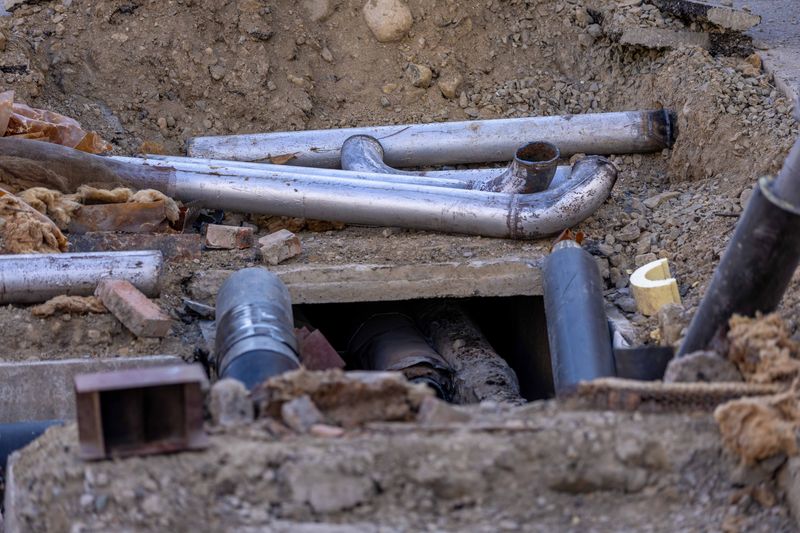
Pipe bursting is a modern trenchless method for replacing existing pipelines. It's especially useful for replacing old or collapsed pipes without extensive excavation — an efficient, cost-effective, and environmentally friendly way to update underground utilities in Odessa, Midland, and across the Permian Basin.
The Evolution of Pipe Replacement Techniques
Historically, replacing underground pipe meant digging a long trench — disruptive to your yard and your day. Trenchless technologies like pipe bursting changed that by minimizing surface disturbance while delivering a complete pipe replacement. Learn how trenchless plumbing works overall.
Understanding the Pipe Bursting Process
Basic Mechanism
A bursting head — larger in diameter than the old pipe — is pulled through the existing line. As it advances, it breaks the old pipe apart and pushes the fragments into the surrounding soil, while a new pipe is pulled in directly behind it.
Equipment Involved
Key equipment includes the bursting head (often fitted with blades or rollers), pulling rods, a hydraulic power pack, and the new pipe. The rods guide and pull the head through the old pipe under high force.
Types of Pipes That Can Be Burst
Pipe bursting is versatile and replaces clay, concrete, cast iron, and PVC. The new pipe is usually high-density polyethylene (HDPE) — flexible, durable, and resistant to corrosion and root intrusion, with a 50–100 year service life.
Advantages of Pipe Bursting
Reduced Environmental Impact
Minimal surface disruption preserves landscaping, driveways, and nearby structures — a major benefit in established neighborhoods.
Cost-Effectiveness
Less digging, labor, and surface restoration, plus faster completion, often make pipe bursting more cost-effective than traditional excavation once cleanup is included.
Versatility and Efficiency
It replaces pipes of various sizes and materials, can upsize the line, and can cover long stretches in a short time — frequently in a single day.
Challenges and Considerations
Soil Conditions
Very dense or rocky soils make the process more challenging — something we evaluate before recommending the method.
Existing Infrastructure
Nearby gas lines and electrical cables must be accurately located and protected, so careful utility mapping is essential.
Pipe Size and Material
Larger or more robust pipes may require more powerful equipment, and severe collapses can limit feasibility.
Best Practices in Pipe Bursting
- Thorough planning: assess the existing line, soil, and surrounding infrastructure first — we always start with a camera inspection.
- Skilled operators: trained technicians ensure the work is done correctly and safely.
- Compliance: adhering to local codes and safety/environmental standards protects your property.
Is Pipe Bursting Right for You?
Pipe bursting is an excellent solution for collapsed or severely damaged sewer and water lines, and when you want to upsize. A camera inspection confirms whether it's the right method. Explore our trenchless plumbing and sewer line replacement services, or schedule a free assessment. Call (432) 552-8385.